









Ski Jackets vs Snowboard Jackets: What’s the Difference?
Ski Jackets vs Snowboard Jackets: What’s the Difference?
Choosing the right snow jacket for your first adventure on the Australian slopes (or international slopes) can feel like a daunting task. Step into a retail store or explore online, and you'll find ski jackets and snowboard jackets displayed side by side. At first glance, they appear almost identical: both assert waterproof capabilities, thermal insulation, weatherproofing, and readiness for harsh alpine environments.
Are they truly identical, or is there a genuine technical distinction that could impact your comfort, warmth, and performance while shredding the slopes?
The differences between ski jackets and snowboard jackets may be subtle at a distance, but they hold significant technical importance once you step foot on the mountain. They mainly focus on fit, length, insulation options, mobility, feature placement, and overall riding style. Selecting the perfect jacket goes beyond brand logos or fashion trends; it is all about your physical movement on the snow, the specific weather conditions you will encounter down under, and your personal layering system.
Whether you are carving fast groomed turns down Thredbo's Supertrail, hiking the terrain parks at Perisher, or navigating the variable weather at Mt Hotham, understanding how these garments are constructed ensures you make an informed purchase that keeps you warm, dry, and comfortable from first chair to last run. Our number one recommendation is to visit us in-store at one of our Auski Stores where our snow specialists can talk you through the perfect recommendations tailored to you, but if you’re just in the research phase, then read on.
Ski Jackets vs Snowboard Jackets: Key Differences
At first look, ski and snowboard jackets appear to fulfil the exact same role: ensuring you stay warm, dry, and shielded from harsh alpine elements like biting wind, freezing rain, and heavy snow. Both types of outerwear are crafted using waterproof and breathable technical membranes (such as Gore-Tex, or proprietary brand laminates), synthetic or natural thermal insulation, and engineered venting features designed to regulate body temperature during high-exertion riding.
However, the foundational distinctions between the two garment types hinge directly on design priorities influenced by the biomechanics, body positioning, and movement patterns unique to skiing versus snowboarding.
Skiers position themselves facing forward down the fall line, navigating the mountain at greater average velocities, swinging ski poles, and dedicating substantial time riding chairlifts in an upright posture. Snowboarders navigate the slopes with a sideways stance, constantly twisting their upper body, rotating their shoulders for balance, crouching deeply for turns, and frequently sitting directly in the snow while strapping into bindings or taking rests.
These behavioural and physical movement differences directly influence five core design pillars:
· Fit and Cut: Ski jackets favour a tailored, aerodynamic silhouette, whereas snowboard jackets embrace a relaxed, oversized cut inspired by skate and streetwear culture.
· Length and Coverage: Ski jackets sit cleanly at hip height to facilitate agile leg movement, while snowboard jackets feature an extended hem to cover the rear and upper thighs.
· Mobility and Freedom of Movement: Ski jackets prioritize forward arm extension and pole swings, while snowboard jackets offer unrestricted rotational room across the back and shoulders.
· Pocket and Technical Feature Placement: Ski jackets focus on streamlined sleeve pass pockets and shoulder reinforcement, while snowboard jackets emphasize cargo storage, drop pockets, and jacket-to-pant connection interfaces.
· Style and Alpine Aesthetic: Ski jackets lean toward technical, alpine-athletic styling, whereas snowboard garments lean into casual, urban, and park-focused designs.
While modern apparel designers frequently blur these traditional lines - creating hybrid 'snow jackets' that perform admirably across both sports - these distinctions remain vital when evaluating long-term comfort, layering flexibility, and overall performance. This is especially true in Australian alpine conditions, where snow tends to have a higher moisture content, weather conditions can shift rapidly within hours, and temperatures swing dramatically over a single day.
Quick Overview: Ski Jackets vs Snowboard Jackets Comparison
| Feature / Attribute | Ski Jackets | Snowboard Jackets |
| Fit & Silhouette | Tailored, athletic, aerodynamic, streamlined profile | Relaxed, looser, oversized, streetwear-inspired cut |
| Jacket Length | Hip-length for maximum hip flex & pole efficiency | Extended hem cut longer past hips for extra seat coverage |
| Primary Mobility Priority | Optimised for forward velocity & arm/pole swing | Optimised for upper-body rotation, twisting & deep crouches |
| Insulation Availability | Commonly feature mid-weight synthetic or down insulation | Frequently offered as uninsulated shells for customisable layering |
| Key Storage & Features | Forearm/chest lift pass pocket, shoulder durability panels | Spacious cargo pockets, internal drop pockets, jacket-to-pant loops |
| Snow Protection | Integrated adjustable powder skirts, sleek wrist gaiters | Jacket-to-pant zip interfaces, extended powder skirts |
| Best Riding Styles | Carving, speed, groomed trails, traditional all-mountain | Freestyle, park riding, powder carving, backcountry touring |
| Australian Slope Benefit | Sleek fit avoids wind flap on fast chairlifts & open runs | Extra length protects against wet snow when sitting or strapping in |
Fit & Cut Differences in Ski Jackets and Snowboard Jackets
Tailored Ski Jackets: Precision and Aerodynamics
Ski jackets are typically constructed with a sleek, performance-oriented fit that sits relatively close to the body. By minimizing excess fabric around the torso, arms, and waist, a tailored ski jacket significantly reduces wind drag when skiing at higher speeds down groomed slopes. This athletic cut ensures that the jacket stays put during aggressive, high-frequency short-radius turns and edge transitions.
Furthermore, the clean silhouette of a ski jacket prevents fabric from bunching up around ski pole straps, waist packs, or backpack harnesses. Because skiers maintain an upright, forward-facing stance, a snug-fitting jacket traps warm air close to the core efficiently, reducing the need for heavy, bulky outer garments. Ski jackets typically finish right at hip height, providing complete coverage for the waist without interfering with knee elevation or deep forward hip flexion during high-speed carving.
Relaxed Snowboard Jackets: Freedom and Coverage
In contrast, snowboard jackets showcase a noticeably relaxed, roomier cut. This baggier design draws heavy inspiration from skate, surf, and urban streetwear culture, but it serves a vital functional purpose: room for unhindered movement. Snowboarding requires continuous rotation of the shoulders, hips, and torso to initiate turns, press rails, or grab the board in mid-air. A tight, restricted jacket would pull across the back and shoulders during these dynamic movements.
The hem on a snowboard jacket is almost universally longer than that of a ski jacket, frequently extending several inches past the hip to cover the upper thighs and rear. This extended coverage is an absolute lifesaver for snowboarders, who routinely spend time sitting down on cold, damp snow to strap into their bindings, wait for friends, or rest between park laps. The extra length creates a physical barrier against snow intrusion and dampness, keeping your base layers bone-dry.
Mobility & Riding Style: How Motion Shapes Design
Forward Motion and Stability for Skiers
When skiing, movement is primarily linear and forward-focused. The arms move rhythmically forward and back for pole plants, while the lower body manages edge pressure and terrain shock absorption. Ski jackets are engineered with articulated elbows and pre-curved sleeves designed to match this athletic, forward-facing arm position seamlessly.
The shoulder construction on ski jackets is designed to sit flat and smooth, preventing material from binding when pushing off with poles or executing tight mogul turns. Additionally, because skiers frequently carry their skis over their shoulders when walking from the car park or ski lodge to the lifts, premium ski jackets often incorporate reinforced, high-denier fabric panels across the shoulders to prevent sharp ski edges from cutting into the waterproof membrane.
Rotational Freedom and Flexibility for Snowboarders
Snowboarding biomechanics are inherently lateral and rotational. A rider's upper body acts as a steering wheel: to turn toe-side or heel-side, the shoulders must rotate ahead of the hips. Freestyle snowboarding introduces even greater physical demands, including deep crouching, grabbing the board, twisting during spins, and reaching for hand-plants.
To accommodate these multi-directional movements, snowboard jackets feature wider armholes, expanded gussets under the armpits, and generous shoulder room. The relaxed fit allows riders to bend, reach, and twist completely unrestricted. In Australian conditions - where terrain parks at resorts like Perisher and Falls Creek attract dedicated freestyle riders - having complete upper-body mobility is paramount to riding comfortably all day.
Essential Features and Pocket Placements
While both ski and snowboard jackets share critical technical components - such as waterproof membranes, fully taped seams, adjustable hoods, and storm flaps - their layout and feature prioritization differ noticeably.
Ski-Specific Technical Features
· Streamlined RFID Pass Pockets: Ski jackets almost universally feature a dedicated zippered lift pass pocket on the lower left forearm or upper sleeve, positioned for quick, effortless scanning at chairlift turnstiles without having to alter your forward stance.
· Sleek Internal Goggle & Mesh Pockets: Internal mesh drop pockets are sized specifically to store low-profile ski goggles, neck gaiters, or spare lenses safely without creating exterior bulge.
· Aerodynamic Ventilation: Pit zips on ski jackets are often streamlined with low-profile zippers to dump heat during intense runs without catching the wind.
· Reinforced Shoulder Zones: Durable, abrasion-resistant fabric overlays on the shoulders protect the jacket from the heavy friction of carrying sharp-edged skis.
Snowboard-Specific Technical Features
· Jacket-to-Pant Connection Systems: Because snowboarders crash or sit in deep snow more frequently, snowboard jackets often include specialized snap loops or full zip interfaces that connect the jacket powder skirt directly to matching snow pants, creating an impenetrable snow-seal.
· Spacious Cargo & External Pockets: Snowboard jackets prioritize large, accessible chest and thigh-level cargo pockets fitted with heavy-duty flaps or waterproof zips, ideal for storing screwdriver tools, extra gloves, or beanie hats.
· Extended Powder Skirts & Wrist Gaiters: Extended grippy powder skirts with dual-adjustment snaps ensure that snow cannot force its way up the back during high-speed powder turns or wipeouts.
· Helmet-Compatible Storm Hoods: Large, fully adjustable hoods offer extra room to fit comfortably over bulky snowboard helmets during high-wind alpine storms.
Understanding Snow Jacket Types: Shells, Insulated, Down & Fleeces
Selecting the right jacket construction is just as critical as choosing between a ski or snowboard cut. Snow outerwear generally falls into four main technical categories, each offering distinct advantages for different activity levels, weather conditions, and layering preferences.
1. Shell Jackets (Uninsulated Outerwear)
Shell jackets consist strictly of a waterproof, windproof outer membrane (such as 2-layer or 3-layer Gore-Tex) without any built-in thermal insulation. Shells are lightweight, highly breathable, and extraordinarily versatile. They are favoured by experienced snowboarders, backcountry ski tourers, and riders who prefer total control over their thermal regulation.
By wearing an uninsulated shell, you can customise your warmth daily: wear a simple base layer on warm, sunny spring days, or add a heavy fleece or insulated mid-layer underneath on freezing mid-winter mornings. Shells excel in variable Australian weather because they prevent you from overheating during high-exertion riding.
2. Insulated & Synthetic Jackets
Insulated jackets feature built-in thermal padding (typically synthetic insulation such as PrimaLoft, Thinsulate, or proprietary polyester fill) sandwiched between the outer waterproof shell and the internal lining. Insulation density is measured in grams per square meter (g/m²), usually ranging from light 40g fill in the sleeves up to warm 100g+ fill in the core.
Synthetic insulation is the industry standard for snow sports because its hydrophobic fibres retain their loft and thermal warmth even if damp air or wet snow penetrates the outer layer. Insulated jackets are the most popular choice for beginner skiers and resort riders who want a convenient, all-in-one warm garment for chairlift rides.
3. Down & Puffer Jackets
Down jackets utilize natural goose or duck feather clusters to deliver an incredible warmth-to-weight ratio. Down clusters trap vast amounts of warm air while remaining lightweight and highly compressible. Down jackets come in both sporty performance cuts and stylish puffer jacket aesthetics.
While down is unmatched for dry, sub-zero alpine environments (such as inland Canada or Japan), natural down loses its insulating capability if it becomes wet or saturated. If you choose a down puffer jacket for Australian snow riding, ensure it features a high-grade waterproof outer membrane (15,000mm+) or treated hydrophobic down fill to resist damp conditions.
4. Fleece Jackets & Technical Mid-Layers
Fleece jackets are soft, breathable thermal garments constructed from synthetic polyester fibres. Fleece acts as a vital mid-layer, trapping warmth generated by your body while allowing excess perspiration to pass through to the outer shell.
Fleece mid-layers are lightweight, packable, and retain warmth even when damp. Paired with a waterproof shell jacket, a fleece mid-layer creates an adaptable, high-performance layering system suitable for any condition on the mountain.
How Australian Snow Conditions Impact Your Jacket Choice
Australian snow conditions present unique technical challenges that differ markedly from dry powder regions like North America, Europe, or Japan. Resorts in Victoria and New South Wales - such as Perisher, Thredbo, Mt Hotham, and Falls Creek - are influenced by coastal weather systems, resulting in distinctive snow characteristics and weather patterns.
Key Characteristics of Australian Alpine Weather:
· Higher Moisture Content: Australian snow is frequently described as wet, heavy, or slushy, especially late in the day or at lower resort elevations. Moisture can quickly soak through low-grade fabrics.
· Rapidly Changing Conditions: It is common to experience bright sunshine, freezing rain, dense fog, and heavy sleet all within a single afternoon.
· Broad Temperature Swings: Temperatures can range from -5°C on freezing, windy chairlifts in the morning to +8°C during sunny spring afternoons.
Essential Technical Specs for Australian Conditions:
Because of these environmental factors, technical performance specifications - such as waterproofing, breathability, and ventilation - take absolute priority over whether a garment carries a 'ski' or 'snowboard' label. Every Australian rider should look for:
· Waterproof Rating (Minimum 10,000mm to 20,000mm+): A waterproof rating measures how much water pressure a fabric can withstand before leaking. A minimum rating of 10,000mm is essential for Australian snow, while 20,000mm+ (Gore-Tex level) guarantees total dryness in wet sleet or rain.
· Fully Taped Seams: Waterproof fabric is useless if moisture leaks through needle holes in the seams. Fully taped seams seal every stitch with waterproof tape to prevent water entry.
· High Breathability (10,000g/m²+): Breathability measures how efficiently moisture vapor escapes from inside the jacket. High breathability prevents sweat accumulation during energetic riding.
· Underarm Pit Vents: Zippered mesh vents under the arms are critical for dumping built-up body heat quickly during mild afternoon runs or hiking sessions.
· Adjustable Powder Skirts & Cuffs: Quality powder skirts and adjustable wrist cuffs seal out wet slush when sitting down or riding in heavy precipitation.
Practical Layering Strategies for the Slopes
Mastering the three-layer system is the single best way to ensure all-day comfort, warmth, and climate control while skiing or snowboarding in Australia.
The Three-Layer System Explained:
· 1. Base Layer (Moisture Management): Worn directly against your skin, a high-quality base layer made from merino wool or synthetic technical fabrics pulls sweat away from your body. Avoid cotton at all costs, as cotton retains moisture and causes rapid cooling when you stop moving.
· 2. Mid-Layer (Thermal Insulation): The mid-layer traps warm air generated by your body. Popular mid-layers include fleece jackets, lightweight synthetic puffy jackets, or wool pullovers. This layer can easily be removed and stowed in a backpack if the weather warms up.
· 3. Outer Shell Layer (Weather Protection): Your ski jacket or snowboard jacket acts as the outer shield against wind, snow, and rain. It seals out the elements while allowing interior moisture from your base and mid-layers to evaporate.
Choosing Between Mid-Weight Insulated and Shell Systems:
If you naturally run cold, spend most of your time cruising groomed trails, or dislike wearing multiple layers, a mid-weight insulated jacket (60g to 80g fill) provides easy, grab-and-go warmth. If you naturally run hot, enjoy freestyle park riding, or plan to hike into off-piste terrain, a technical shell jacket combined with separate mid-layers offers superior versatility to adapt to changing mountain temperatures.
Deep Dive into Waterproof Fabrics: Gore-Tex, Dermizax & DWR
To fully appreciate how high-performance ski and snowboard jackets keep you dry, it is important to understand the outer fabric technologies engineered by leading outerwear brands.
Gore-Tex Membranes
Gore-Tex remains the benchmark in waterproof, windproof, and breathable fabric technology. A Gore-Tex membrane contains over 9 billion microscopic pores per square inch. Each pore is 20,000 times smaller than a water droplet, preventing rain and wet snow from penetrating, yet 700 times larger than a water vapor molecule, allowing perspiration to escape easily.
Dermizax & Stretch Membranes
Dermizax is a non-porous, highly flexible membrane developed in Japan that excels in high-stretch alpine environments. Because Dermizax relies on molecular movement rather than microscopic pores, it is extremely resistant to clogging from dirt, skin oils, or detergent residues, making it a favourite for active ski and snowboard garments.
Durable Water Repellent (DWR) Coatings
All technical snow jackets feature an invisible Durable Water Repellent (DWR) polymer coating applied to the exterior fabric. DWR causes water droplets to bead up and roll off the surface rather than soaking into the outer face fabric. Maintaining your jacket's DWR coating through regular washing and reproofing ensures peak performance season after season.
Can You Use a Ski Jacket for Snowboarding (and Vice Versa)?
The short and direct answer is yes - most ski jackets and snowboard jackets are largely interchangeable. The technical differences in fit, length, and pocket layout are subtle enough that a well-constructed jacket will perform admirably across both sports.
Skiers can wear snowboard jackets without issue, enjoying the extra rear coverage on chairlifts and a relaxed aesthetic. Similarly, snowboarders can comfortably ride in ski jackets, provided the shoulder and chest area allows sufficient upper-body rotation for turns and balance.
Focus on Comfort, Mobility, and Technical Specs
In practice, your primary selection criteria should always be comfort, mobility, waterproofing, and weather protection - not marketing labels or sport-specific branding. Look for a jacket that:
· Allows unrestricted arm and shoulder movement when twisting, reaching, or flexing your torso.
· Provides enough room underneath to comfortably wear a base layer and mid-layer without feeling tight.
· Offers high-grade waterproofing (10k+) and fully taped seams to keep you dry in wet conditions.
· Features functional ventilation like pit zips to regulate your body temperature on mild days.
Australian skiers and snowboarders frequently choose outerwear based on personal style and comfort rather than sticking rigidly to sport labels. A slightly roomier ski jacket performs wonderfully for snowboarding, while a snowboard jacket with a longer hem offers fantastic protection against cold wind and wet snow for skiers.
Snow Outerwear Care & Maintenance Guide
Proper care and maintenance will significantly extend the lifespan, waterproofing, and breathability of your ski or snowboard jacket.
Washing Your Technical Jacket
Never wash technical outerwear with regular household laundry detergents or fabric softeners, as standard detergents leave chemical residues that clog breathable membranes and destroy DWR water repellency. Instead, use specialized technical washes like Nikwax Tech Wash or Grangers Wash + Repel on a gentle 30°C cycle.
Reactivating DWR Water Repellency
If water stops beading on your jacket surface, reactivate the DWR finish by placing the clean, dry garment in a tumble dryer on low heat for 20 minutes, or reapply a spray-on waterproofing treatment like Nikwax TX.Direct.
How to Choose the Right Snow Jacket for Your Profile
Ski Jackets: Key Criteria for Ski Enthusiasts
Skiers looking for optimal performance should look for a jacket with a tailored, athletic fit that reduces wind drag at higher speeds. Prioritize articulated sleeves for pole swinging, a dedicated arm pass pocket for lift gates, and mid-weight insulation paired with a 15,000mm+ waterproof shell. A sleek, high-performing ski jacket enhances speed, comfort, and weather protection across all-mountain terrain.
Snowboard Jackets: Key Criteria for Snowboarders
Snowboarders should prioritize a relaxed cut that allows complete freedom across the back and shoulders. Look for extended hem coverage to keep your seat dry when sitting on snow, a jacket-to-pant attachment interface, spacious cargo pockets, and generous pit vents to dump heat during park or freestyle sessions.
Beginner Snow Riders: Prioritize Comfort and Protection
First-time skiers and snowboarders should focus on comfort, high waterproofing, and layering capability rather than technical sport labels. Beginners spend more time learning, falling, and standing on the slopes, making a waterproof rating of at least 10,000mm, fully taped seams, adjustable wrist cuffs, and a reliable powder skirt essential. Choosing a versatile jacket that allows room for base and mid-layers ensures you stay warm and comfortable while building confidence on the snow.
Frequently Asked Questions (FAQs)
Q: Are ski jackets and snowboard jackets the same thing?
While both serve to keep you warm and dry, they differ slightly in fit, length, and technical features. Ski jackets are typically more tailored and hip-length, whereas snowboard jackets offer a longer, roomier fit for extra mobility and seat protection.
Q: Are ski jackets warmer than snowboard jackets?
Not inherently. Warmth depends entirely on the jacket's insulation weight (measured in grams) and your layering strategy underneath, rather than whether the jacket is marketed for skiing or snowboarding.
Q: Can beginners wear either a ski jacket or a snowboard jacket?
Yes, absolutely. Beginners should prioritize high waterproofing (minimum 10,000mm), fully taped seams, comfort, and proper layering over brand labels or sport-specific marketing.
Q: Is a longer jacket better for Australian snow conditions?
A longer jacket cut offers extra protection against wet snow and slush when sitting on chairlifts or strapping into bindings. However, overall fabric waterproofing (10k-20k mm) and sealed seams are the most critical factors for staying dry.
Q: What waterproof rating do I need for Australian snow resorts?
We recommend a minimum waterproof rating of 10,000mm for regular resort riding, while a 20,000mm+ rating (or Gore-Tex membrane) is ideal for wet sleet, heavy snow, or rain showers common in Australian mountains.
Q: How do I store my snow jacket during the summer off-season?
Store your clean, dry jacket on a wide padded hanger in a cool, dark, dry wardrobe. Avoid storing garments compressed in vacuum bags for long periods, as compression damages synthetic insulation loft.
When comparing ski jackets vs snowboard jackets, the primary differences centre on fit, length, technical feature placement, and riding aesthetic. Ski jackets offer a tailored, aerodynamic silhouette optimised for forward speed and pole work, while snowboard jackets provide a relaxed, longer fit designed for rotational freedom and seat coverage.
In Australian snow conditions, technical performance - such as high waterproofing, taped seams, breathability, pit ventilation, and versatile layering - is far more critical than whether a jacket carries a 'ski' or 'snowboard' label.
Select a jacket that fits your body comfortably, matches your personal riding style, and protects you against variable mountain weather. Browse Auski's extensive online collection or visit us in-store to find your perfect snow jacket for the upcoming winter season.
MOST POPULAR
RISING POST
Leave a comment
Comments will be approved before showing up.
Also in Blogs
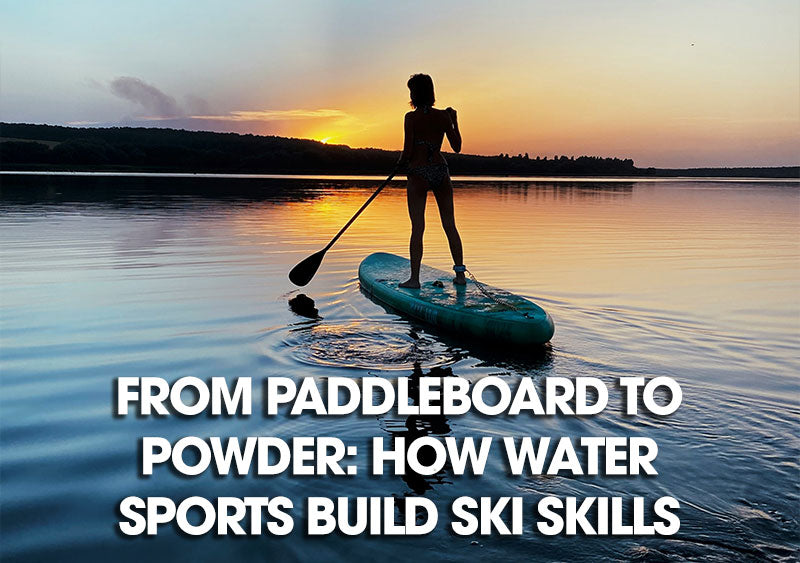

From Paddleboard to Powder: How Water Sports Build Ski Skills
Stay ski-ready year-round. Discover how paddleboarding, wakeboarding, and waterskiing improve dynamic balance, core stability, leg endurance, and edge control for better skiing performance on the slopes.
Read More
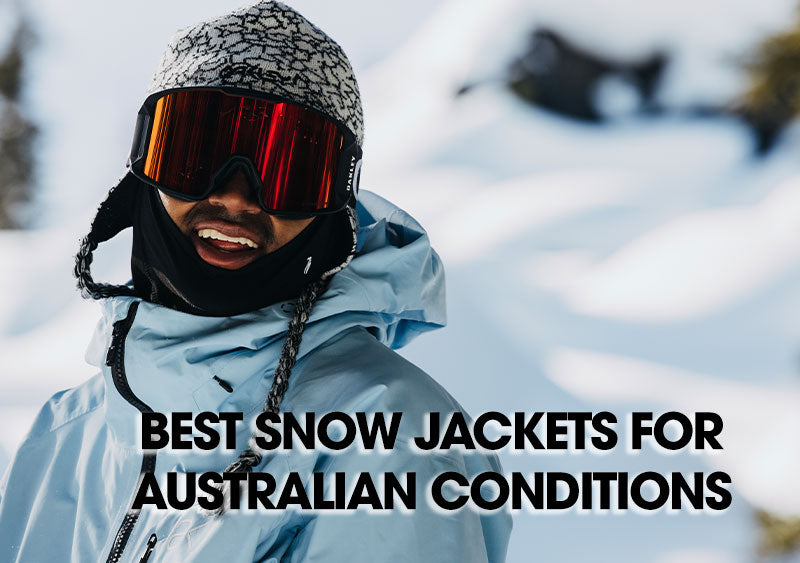

Best Snow Jackets for Australian Conditions
Find the best snow jackets for Australian conditions. Learn how to choose the right ski jacket with waterproof ratings, breathability, insulation, and layering tips for wet snow, changing temperatures, and all-day performance on the slopes.
Read More

What to Rent vs Buy for Your First Snow Trip (Beginner Guide)
Not sure what snow gear to rent or buy? This beginner guide breaks down what’s worth renting and what you should own for your first snow trip.
Read More