









What to Wear on a Winter Holiday: Cold-Weather Travel Guide
What to Wear for a Winter Holiday:
The Ultimate Cold-Weather Travel Clothing Guide
Planning a winter adventure to Lapland, Norway, Greenland or even Antarctica? Whether you're chasing the Northern Lights, exploring snowy villages, spotting wildlife on an expedition cruise or trekking across icy landscapes, packing the right clothing can make all the difference.
The secret to staying comfortable in freezing temperatures isn't simply buying the biggest, warmest jacket you can find. It's knowing how to layer your clothing, choosing the right fabrics and protecting yourself from wind, snow and moisture.
Unlike a traditional ski holiday, cold-weather travel often involves a mix of activities, from walking through snowy streets to standing outside for hours watching the Northern Lights. You'll need clothing that keeps you warm when you're stationary, comfortable when you're moving and adaptable enough to handle changing weather conditions.
In this guide, we'll cover everything you need to know about what to wear on a winter holiday, including thermal base layers, insulating mid-layers, waterproof jackets and pants, winter boots, gloves and other essential cold-weather accessories.
1. Understand the Three-Layer System
Before you start packing, it's worth understanding the three-layer clothing system. This is one of the most effective ways to stay warm in cold climates because it allows you to adjust your clothing to suit the temperature, weather and activity.
Rather than relying on one thick coat, each layer serves a specific purpose.
Base layer: thermals that keep you dry
Your base layer sits directly against your skin. Its main job is to manage moisture while providing a foundation of warmth.
When you're walking, hiking or participating in outdoor activities, your body produces sweat. If that moisture stays against your skin, it can leave you feeling cold when you slow down or stop moving.
Thermal tops and leggings made from merino wool or synthetic moisture-wicking fabrics help move moisture away from your skin while retaining warmth.
What to look for:
- Long-sleeved thermal tops and thermal leggings.
- A comfortable, close-fitting design that sits beneath your other layers.
- Breathable fabrics that manage moisture.
- Lightweight, midweight or heavyweight options suited to your destination and planned activities.
Merino wool is a popular choice for winter travel because it's naturally breathable, helps regulate temperature and resists odours. Synthetic thermals are another practical option, particularly if you want clothing that dries quickly.
Avoid relying on cotton as your main base layer. Cotton absorbs moisture and dries slowly, which can leave you feeling chilled in cold conditions.
For multi-day trips, pack at least two sets of thermals so you can alternate between them.
Explore Auski's thermal layers and base layers to find options for your next cold-weather adventure. For further reading, check out our in depth guide on How to Layer Clothing for the Snow and Snow Clothing Insulation.
Mid-layer: insulation that traps warmth
Your mid-layer provides the insulation that keeps body heat from escaping. It sits over your thermals and beneath your outer jacket.
The right mid-layer depends on how cold it will be, how much you'll be moving and how easily you feel the cold.
Popular options include:
- Fleece jackets: Lightweight, breathable and versatile, making them ideal for sightseeing and walking.
- Wool jumpers: A practical option for everyday warmth, particularly in cold towns and villages.
- Down jackets: Lightweight and highly insulating, making them useful in cold, dry conditions.
- Synthetic insulated jackets: A good alternative to down, particularly when conditions are damp.
For a winter holiday, a fleece or lightweight insulated jacket is a versatile starting point. If you're travelling somewhere particularly cold, such as Arctic Norway or Finnish Lapland in winter, you may want an additional insulating layer for evenings outdoors.
The advantage of layering is flexibility. You can remove a layer when walking uphill or add one when stopping to take photos.
If you expect to spend extended periods outside in extreme cold, consider how your mid-layers will work together rather than relying on one bulky garment.
Outer layer: protection from wind, rain and snow
Your outer layer protects the insulation underneath from the elements. Depending on your destination, you'll need a jacket that offers reliable protection against wind, rain, snow or a combination of all three.
For cold-weather travel, look for a jacket with:
- Waterproof or weather-resistant construction suited to expected conditions.
- Windproof protection.
- A hood that can be adjusted to fit securely.
- Enough room to comfortably accommodate your base and mid-layers.
- Practical pockets for gloves, hand warmers and other essentials.
A waterproof shell jacket is particularly versatile because you can adjust the insulation underneath it. An insulated snow jacket can also be a good choice if you'll spend long periods outside in freezing temperatures.
Remember that waterproof and water-resistant aren't interchangeable. Water-resistant clothing may handle light moisture, but a waterproof jacket offers more dependable protection in sustained rain or wet snow.
For more information on choosing suitable outerwear, browse Auski's range of ski jackets and snow jackets.
2. How to Choose Thermals for a Winter Holiday
Thermals are one of the most important items to pack for a cold-weather trip, especially if you're travelling somewhere with sub-zero temperatures.
However, not all thermal clothing provides the same level of warmth. The best option depends on the conditions you'll encounter and how active you'll be.
Lightweight, midweight or heavyweight thermals?
Lightweight thermals are suitable for milder winter conditions or more active days when you need breathability without excessive insulation.
Midweight thermals are a versatile choice for general winter travel. They provide a balance of warmth and moisture management for sightseeing, walking and outdoor activities.
Heavyweight thermals are worth considering for particularly cold environments, especially when you'll be standing still for extended periods. They can also be useful as part of a layered system in Arctic conditions.
Rather than automatically choosing the thickest option, consider the full outfit you'll be wearing. Heavyweight thermals underneath multiple insulating layers can become uncomfortable if you start overheating.
Merino wool vs synthetic thermals
Both materials have advantages.
Merino wool is naturally breathable, helps regulate temperature and is well suited to multi-day travel because it resists odours. It's particularly useful when you want to pack fewer items and wear them repeatedly.
Synthetic thermal fabrics are generally quick-drying and practical for activities where you'll generate more body heat.
Neither option is universally best. Consider the temperature, activity level, drying opportunities and your personal comfort.
Don't forget your legs
It's easy to focus on keeping your upper body warm and overlook your legs.
Thermal leggings provide an extra layer of insulation beneath everyday trousers, fleece-lined pants or snow pants. They're particularly useful for evening excursions, snowshoeing, wildlife watching and other activities where you'll be exposed to the cold for long periods.
If you're planning a trip to Antarctica, check your expedition operator's clothing requirements. Some excursions require specific combinations of thermal layers and waterproof over-trousers, particularly for wet landings.
3. What Jacket Should You Pack for Snowy Destinations?
Choosing the right winter jacket depends on the conditions you'll face, rather than simply the name of your destination.
A jacket that works well for a winter city break in Oslo may not offer enough insulation for several hours watching the Northern Lights in Finnish Lapland.
Insulated jackets for cold temperatures
An insulated jacket combines an outer fabric with a layer of down or synthetic insulation.
These jackets are useful when temperatures drop and you need substantial warmth without wearing numerous bulky layers.
Down insulation offers an excellent warmth-to-weight ratio and packs down relatively small. However, down can lose some of its insulating ability when wet unless it has appropriate protection and is kept dry.
Synthetic insulation is often more forgiving in damp conditions and can be a practical choice for unpredictable winter weather.
If your itinerary includes long evenings outdoors, consider a well-insulated jacket that comfortably accommodates your mid-layers.
Waterproof shell jackets for changing weather
A shell jacket is designed primarily to protect you from the elements rather than provide substantial warmth.
This makes it a versatile option for destinations where you might experience rain, wind, wet snow and changing temperatures throughout the day.
Wear it over your thermal and insulating layers to create a flexible system. You can add insulation when temperatures drop or reduce it when you're moving more.
Look for features such as taped seams, an adjustable hood, secure closures and ventilation options where appropriate.
Do you need a ski jacket if you're not skiing?
Not necessarily. However, a quality snow jacket can be an excellent option for non-skiing winter travel.
Snow jackets are designed for cold outdoor conditions and may offer useful features such as waterproof fabrics, insulation, snow-resistant cuffs and adjustable hoods.
These features can be valuable when walking through snowy landscapes, travelling on snowmobiles or spending time outdoors in winter.
The key is choosing a jacket that suits your activities. If you're mainly exploring cities, a versatile waterproof winter jacket may be sufficient. If you're heading into remote, freezing environments, prioritise insulation and protection from wind and moisture.
4. Waterproof Pants and Snow Pants: What Do You Need?
Your legs need protection from the elements just as much as your upper body.
The right pants depend on whether you'll be walking around towns, exploring snowy trails, participating in outdoor excursions or travelling through particularly wet environments.
Waterproof pants for wet and snowy conditions
Waterproof pants help protect your legs from rain, melting snow and moisture from the ground.
They're particularly useful for activities such as snowshoeing, winter hiking and excursions where you'll be sitting or kneeling on snow.
Waterproof over-pants can be worn over thermal leggings and other comfortable trousers, making them a practical addition to your luggage.
For Antarctica expeditions, waterproof over-trousers may be especially important because boat transfers and wet landings can expose you to freezing water and spray. Always check your operator's specific requirements.
Insulated snow pants for extreme cold
Insulated snow pants combine weather protection with additional warmth. They're a useful option for activities such as snowmobiling, dogsledding and spending extended periods outdoors in very cold conditions.
Snow pants may be more insulation than you need for everyday sightseeing, so think about how much time you'll spend outside and whether your tour operator provides protective outerwear.
What features should you look for?
When comparing snow pants and waterproof over-pants, consider:
- Waterproof construction suited to the expected conditions.
- Enough room to wear thermal leggings underneath.
- A comfortable fit that allows you to walk freely.
- Adjustable waistbands and practical closures.
- Breathability to help manage moisture during physical activity.
Browse Auski's snow pants to explore options for cold-weather adventures.
5. The Best Snow Boots for Winter Travel
Cold feet can quickly make a winter holiday uncomfortable. Even with excellent thermal clothing, unsuitable footwear can leave you struggling to enjoy your time outdoors.
For snowy destinations, look for winter boots that provide warmth, water protection, traction and enough room for comfortable socks.
Insulated boots for freezing temperatures
Insulated winter boots help retain heat when temperatures drop.
They're particularly useful for destinations such as Lapland, Greenland and northern Norway, where winter excursions may involve extended periods outdoors.
Look for boots with insulation suited to the expected temperatures and enough internal space to accommodate thermal socks without compressing your toes.
A snug but comfortable fit matters. Boots that are too tight can restrict circulation and make your feet feel colder.
Waterproof boots for snow and slush
Snow often melts into water, particularly around roads, footpaths and busy tourist areas.
Waterproof boots help prevent moisture from soaking through the footwear and reaching your socks. A higher boot can also help keep snow out when walking through deeper drifts.
Check whether the boots are fully waterproof or simply water-resistant, and consider how much snow you'll realistically encounter.
Grip is just as important as warmth
Snow-covered paths and icy footpaths can be slippery, even when you're only walking between your hotel and a restaurant.
Look for a sole with a suitable tread for winter conditions. For particularly icy destinations, removable traction aids may provide additional grip when used according to their instructions.
No boot can guarantee traction on every icy surface, so take care when walking and follow local advice.
Can you wear regular hiking boots?
Waterproof hiking boots may be suitable for some winter trips, particularly when conditions are relatively mild and you'll mainly be walking on cleared trails.
However, standard hiking boots may not provide enough insulation for prolonged exposure to freezing temperatures or deep snow.
If your itinerary includes Arctic excursions, compare your footwear with the conditions and activities involved before deciding what to pack.
Explore Auski's snow and walking boots for footwear options suited to winter adventures.
6. Essential Cold-Weather Accessories You Shouldn't Forget
Accessories might seem like the smaller details, but they're a crucial part of your winter travel wardrobe.
Your head, hands, feet and face can become uncomfortable quickly in cold, windy conditions. The right accessories help protect exposed skin and make long days outdoors far more enjoyable.
Beanies and warm hats
A warm beanie that covers your ears is a simple winter essential.
Choose a comfortable design that fits beneath your jacket's hood without feeling restrictive. Wool, fleece and other insulating fabrics are all worth considering.
For destinations with strong winds, a close-fitting hat that stays in place is particularly useful.
Shop Auski's beanies to find a suitable option for your trip.
Gloves and mittens
Cold hands can make everything from taking photos to adjusting camera settings more difficult.
For winter travel, look for insulated gloves or mittens that provide warmth and protection from wind and moisture.
Mittens generally keep fingers warmer because they allow them to share heat, while gloves offer greater dexterity for handling phones, cameras and other equipment.
For particularly cold conditions, consider a combination of thin liner gloves and warmer outer gloves or mittens. This gives you some flexibility when you need to use your hands without exposing them completely.
If you'll be participating in guided Arctic activities, check whether gloves are supplied. You can browse Auski’s range of Snowboard Gloves, Ski Gloves and Glove Liners. Check out our guide on Gloves VS Mittens – Which one is best for me?.
Neck warmers and balaclavas
A neck warmer helps seal the gap between your jacket and your face, reducing exposure to cold air and wind.
A balaclava provides additional coverage for your cheeks, chin and neck, making it useful in particularly cold or windy environments.
Choose a breathable fabric that feels comfortable against your skin. Avoid allowing damp fabric to remain against your face for extended periods in freezing conditions. Browse Auski’s range of facemasks and neckwarmers.
Thermal socks
Warm socks are essential, but thicker isn't always better.
Look for wool or synthetic thermal socks that provide insulation while managing moisture. They should fit comfortably inside your boots without creating pressure around your toes.
If your boots already provide substantial insulation, a single suitable pair may be enough. Wearing multiple thick pairs can make your boots too tight and restrict circulation.
Always consider socks and boots together rather than choosing each item separately. Auski stocks a range of Ski Socks and Snow Socks that offer insulation, moisture control, cushion and compression.
Sunglasses and sun protection
Snow and ice reflect sunlight, which can increase your exposure to ultraviolet radiation.
Even when temperatures are freezing, sunglasses with appropriate UV protection are important in bright, snowy conditions. A well-fitting pair can also help reduce glare.
Pack sunscreen and SPF lip balm, particularly for destinations with extensive snow cover or long periods outdoors.
These items are easy to overlook when you're preparing for a cold holiday, but they're an important part of your packing list.
7. What to Wear in Different Winter Destinations
Not every cold-weather destination requires the same clothing. Temperatures, wind, precipitation and planned activities all influence what you'll need.
Lapland, Finland
Lapland is a popular destination for Northern Lights viewing, reindeer encounters, dogsledding and snowmobile excursions. Winter temperatures can drop well below freezing, and you'll often spend long periods outdoors waiting for activities or watching the night sky.
Prioritise:
- Midweight or heavyweight thermal tops and leggings.
- An insulating fleece or jacket.
- A warm, weatherproof outer jacket.
- Insulated winter boots with good grip.
- Warm mittens, a beanie and a neck warmer.
Many guided activities provide thermal overalls and specialist boots, so check what's included before purchasing additional equipment. Your own thermal and mid-layers are still important.
Norway
Norway's winter conditions vary considerably between coastal cities, inland regions and the far north.
A city break in Oslo may require a different setup from an extended Northern Lights trip in Tromsø or an outdoor adventure in northern Norway.
Prioritise:
- Moisture-wicking thermal layers.
- A fleece or wool mid-layer.
- A windproof and waterproof jacket.
- Waterproof pants for wet or active excursions.
- Winter boots with reliable traction.
- Gloves, a beanie and a neck warmer.
Coastal destinations can be wet and windy, making weather protection particularly important. Inland and northern destinations can experience much colder conditions, so adjust your insulation accordingly.
Greenland
Greenland's conditions can be severe, particularly during winter and in exposed locations.
Wind protection, insulation and appropriate footwear are essential when exploring snowy landscapes or joining guided outdoor excursions.
Prioritise:
- Warm thermal base layers.
- Multiple insulating layers suited to the temperature.
- A windproof, weatherproof outer jacket.
- Waterproof or insulated outer pants, depending on the activity.
- Insulated winter boots.
- Warm gloves or mittens and face protection.
If you're visiting remote areas or participating in specialist excursions, follow your tour operator's equipment guidance rather than relying on a general sightseeing packing list.
Antarctica
Antarctica requires a different approach because the conditions depend on the season, itinerary and type of expedition.
Travellers may experience strong winds, cold temperatures, sea spray and wet landings when transferring between a ship and shore.
Prioritise:
- Thermal tops and leggings.
- Insulating mid-layers.
- A windproof and waterproof outer jacket.
- Waterproof over-trousers.
- Warm gloves, a beanie and a neck warmer.
- Thermal socks and suitable footwear.
Some expedition operators provide insulated parkas, specialist boots or other outerwear. Confirm exactly what's supplied before buying your own, and follow the operator's instructions for shore excursions and landings.
For all polar destinations, preparation matters. Check official travel advice and your tour provider's recommendations before departure.
8. How to Pack for a Winter Holiday Without Overpacking
Winter clothing can take up a surprising amount of luggage space, especially when you're packing bulky jackets, boots and multiple insulating layers.
The trick is to prioritise versatile pieces that work together.
Choose layers that can be mixed and matched. A thermal top, fleece and waterproof shell can work across several different activities. You don't necessarily need a separate outfit for every day.
Wear your bulkiest items when travelling. If practical, wear your winter boots and largest jacket on the flight rather than packing them.
Pack spare base layers. Thermals are generally easier to pack than bulky outerwear, and having a clean set available makes multi-day trips more comfortable.
Allow time for drying. Wet gloves, socks and base layers can make the next day miserable. Choose quick-drying fabrics where practical and make use of suitable drying facilities.
Check what your tour operator provides. Specialist winter tours sometimes include insulated suits, boots and gloves. Confirm the details before spending money on duplicate equipment.
Test your clothing before you leave. Try your complete outfit together to check that your boots fit comfortably, your jacket accommodates your mid-layers and your gloves allow you to use your phone or camera.
9. Winter Travel Clothing Checklist
Use this checklist when preparing for your next snowy holiday. Adjust the quantities and insulation levels to suit your destination, trip length and activities.
Clothing
- Thermal tops.
- Thermal leggings.
- Fleece jacket or insulating mid-layer.
- Insulated winter jacket or waterproof shell.
- Waterproof pants or snow pants.
- Comfortable everyday trousers.
- Wool or synthetic thermal socks.
- Spare underwear and comfortable indoor clothing.
Footwear
- Insulated winter boots.
- Waterproof footwear suited to the itinerary.
- Suitable traction aids for icy footpaths, if needed.
Accessories
- Warm beanie.
- Insulated gloves or mittens.
- Lightweight liner gloves.
- Neck warmer or balaclava.
- Sunglasses with UV protection.
- Sunscreen and SPF lip balm.
Before departure
- Confirm which clothing and equipment your tour operator provides.
- Check the expected temperatures and weather conditions.
- Review any specific footwear or outerwear requirements.
- Make sure your layers fit comfortably together.
- Pack spare gloves and socks for longer outdoor excursions.
10. Frequently Asked Questions About What to Wear on a Winter Holiday
What clothes should I wear in extremely cold weather?
Start with moisture-wicking thermal layers, add an insulating mid-layer and finish with a suitable windproof and waterproof outer layer. Wear insulated footwear, warm gloves or mittens and a hat that covers your ears. In extreme cold, the exact combination depends on the temperature, wind and how long you'll be outside.
How many layers do you need for a winter holiday?
Three functional layers are a useful starting point: a base layer, an insulating mid-layer and an outer layer that protects you from the weather. Depending on conditions, you may need additional insulation, particularly if you're spending long periods outdoors without moving.
Are ski jackets suitable for non-skiing winter holidays?
Yes. Ski jackets can be useful for winter sightseeing, snow activities and cold-weather travel because many offer insulation, waterproof protection and wind resistance. Choose a design that suits your expected conditions and allows enough room for comfortable layering.
Do I need thermals for Lapland?
Thermals are highly recommended for winter trips to Lapland, particularly when temperatures are below freezing or you'll be outside for extended periods. Even if your tour provides an insulated overall, wearing suitable base layers underneath helps manage moisture and maintain warmth.
What shoes should I wear in snow?
Choose insulated, waterproof winter boots with a comfortable fit and suitable tread for snow and ice. For particularly cold destinations, look for footwear designed for the expected temperatures. Regular trainers and many everyday shoes lack the insulation, water protection and traction needed for snowy conditions.
Do I need waterproof pants for Antarctica?
Waterproof over-trousers are often an important part of an Antarctic expedition outfit, particularly for wet landings and boat transfers. Requirements vary between operators, so check your pre-departure clothing list and confirm whether any specialist outerwear is provided.
Can I wear jeans in snowy destinations?
Jeans can be fine for indoor activities and some casual sightseeing, but they're generally not the best choice for prolonged outdoor activities in wet, snowy conditions. Denim absorbs moisture and dries slowly. Thermal leggings beneath suitable outdoor trousers are often a more comfortable option.
Is merino wool better than synthetic thermals?
Both can work well. Merino wool offers natural temperature regulation and odour resistance, while synthetic fabrics are often quick-drying and practical for active days. The best option depends on your personal preferences, planned activities and access to laundry facilities.
Get Ready for Your Next Winter Adventure
A memorable winter holiday isn't just about the destination. It's also about being comfortable enough to enjoy every moment, whether you're watching the Northern Lights, exploring a snow-covered village or stepping onto the Antarctic Peninsula.
Start with a reliable base layer, add insulation suited to the conditions and choose outerwear that protects you from wind, snow and moisture. Finish with warm boots, gloves and accessories that help keep the cold at bay.
Most importantly, plan your clothing around your itinerary rather than assuming every snowy destination requires the same gear. Check your tour operator's recommendations, consider how long you'll spend outdoors and invest in pieces you'll be comfortable wearing throughout your trip.
Ready to prepare for your next cold-weather escape? Explore Auski's range of thermal layers, snow jackets, snow pants, winter boots and warm winter accessories to start building your winter travel wardrobe.
MOST POPULAR
RISING POST
Leave a comment
Comments will be approved before showing up.
Also in Blogs
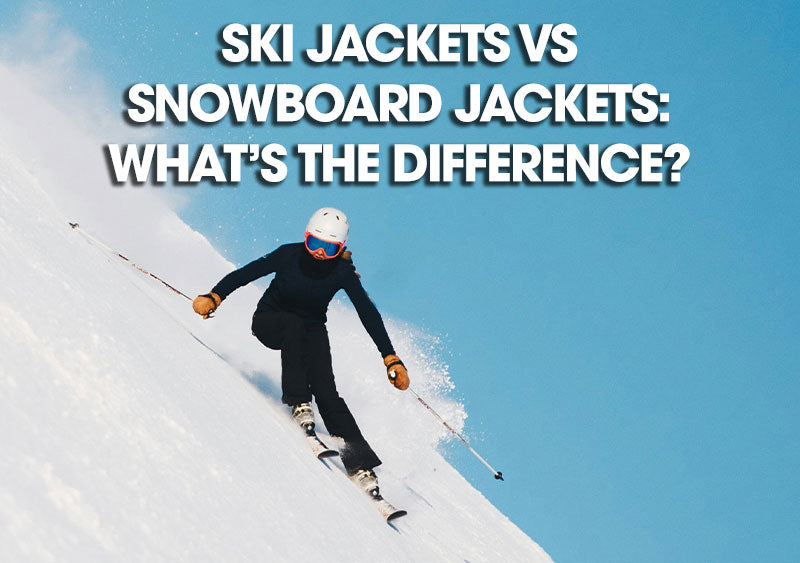

Ski Jackets vs Snowboard Jackets: What’s the Difference?
Ski jacket or snowboard jacket? Discover key differences in fit, length, insulation, and features so you can pick the perfect snow jacket for your riding style and Australian slope conditions.
Read More


From Paddleboard to Powder: How Water Sports Build Ski Skills
Stay ski-ready year-round. Discover how paddleboarding, wakeboarding, and waterskiing improve dynamic balance, core stability, leg endurance, and edge control for better skiing performance on the slopes.
Read More
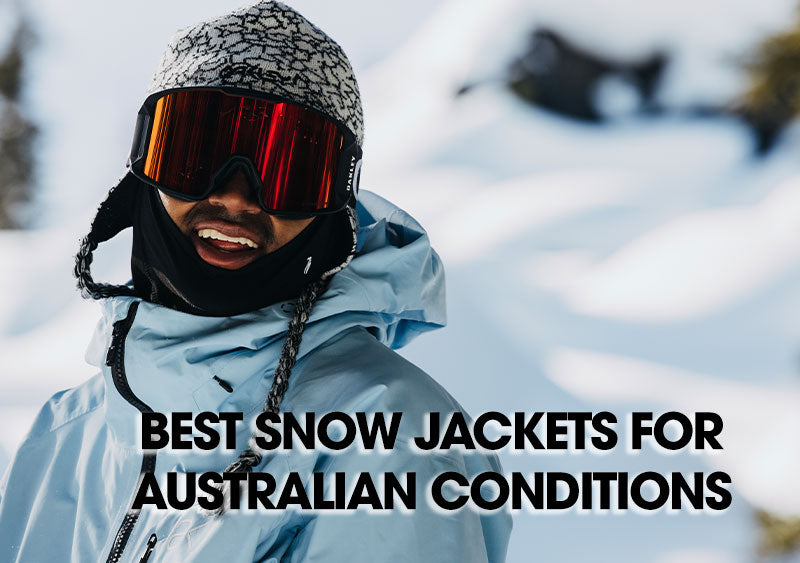

Best Snow Jackets for Australian Conditions
Find the best snow jackets for Australian conditions. Learn how to choose the right ski jacket with waterproof ratings, breathability, insulation, and layering tips for wet snow, changing temperatures, and all-day performance on the slopes.
Read More