









Best Snow Gear for Australian Conditions (What You Actually Need)
Best Snow Gear for Australian Conditions
When you consider that the majority of online recommendations are based on snow clothing and snow gear in Europe, Japan, or North America, where snowfall is typically deep, dry powder and temperatures can drop well below -15°C, it might be difficult to know where to start when shopping for snow gear. The truth? The snow in Australia is totally different.
You are not alone if you have ever arrived at the mountains in an overdressed state, experiencing overheating or being confined by cumbersome and unneeded gear. Many Aussies wind up spending more money on unnecessary gear than they need. The conditions of ski resorts in Australia are drastically different. Snowfall is usually lighter and temperatures are milder, however weather conditions can change rapidly throughout the day. So, one common problem with buying gear for extreme alpine climates is that it often overheats. The ideal snow gear for Australian circumstances is detailed in this article, with an emphasis on what is truly effective in Australian locations. Staying dry, regulating your temperature, and remaining comfortable on the mountain is the same whether you're travelling to Perisher, Falls Creek, Mt. Hotham, Thredbo, or any other resort.
In this article, get the lowdown on the top snow gear for Australian conditions, without fluff and extras, so you can keep warm, dry, and comfortable without breaking the bank.
How Australian Snow Conditions Affect Your Gear Choice
Before buying snow gear, it helps to understand how Australian mountain conditions differ from overseas ski destinations. Australian resorts typically experience warmer temperatures, wetter snow, and rapidly changing weather patterns. These three factors significantly influence what gear performs best.
Warmer Temperatures
Winters in Australia tend to be warmer than those in major ski locations overseas. Daily highs at various resorts can be anything from 5 to 10 degrees Celsius, with cooler mornings and warmer afternoons being the norm. On bright days, particularly in the latter part of winter, afternoon temperatures can go above freezing. This implies that even the most insulated snow jackets can get hot and stuffy very fast. Layering techniques that enable body temperature to fluctuate as conditions change are more beneficial for Australian riders than relying on substantial insulation.
Wetter Snow
When compared to snow from colder regions, the moisture content of snow in Australia is typically higher. Heavy, wet, or slushy snow is common throughout the day due to the often-near-freezing temperatures. For this reason, waterproofing is a must-have attribute for Australian snow gear. Whether you sit on the snow, fall often, or ride in the snow, moisture can seep through your snow clothing if it isn't waterproof. The most difficult part of riding in Australian destinations is usually avoiding the rain.
What this means:
- Waterproofing becomes critical
- Cheap or low-rated gear will soak through quickly
- Staying dry is often harder than staying warm
Highly Variable Weather or Rapidly Changing Weather
One other thing that makes Australian ski resorts unique is how fast the weather may change. Mornings on the mountain might be sunny and beautiful, but by lunchtime the clouds are rolling in and the wind is picking up speed, and by late afternoon it could be snowing or sleeting.
The importance of gear adaptability is magnified due to this ability for the weather to change. It is significantly more practical to have clothing that can withstand a variety of temperatures rather than specialised cold-weather gear. Your gear should be able to adapt quickly enough that you don't have to change clothes every time.
Freeze-Thaw Cycles
Australian resorts regularly go through thawing during the day and refreezing overnight. This leads to:
- Icy mornings
- Slushy afternoons
- Wet chairlifts and surfaces
Again, reinforcing the need for waterproof and breathable gear.
Wind and Exposure
Many Australian resorts sit above the treeline, leaving slopes exposed to strong winds. Even when temperatures are mild, wind chill can make conditions feel significantly colder. Windproof outer layers therefore play an important role in maintaining comfort on chairlifts and exposed ridgelines.
What This Means for Your Gear Strategy
To summarise:
- Prioritise waterproofing over insulation
- Choose breathable fabrics to regulate temperature
- Use layering instead of thick, single pieces
- Look for versatility, not extremes
This approach is the foundation of choosing the right snow gear in Australia. Understanding this is the difference between being comfortable all day - or heading back to the lodge early.
Essential Snow Gear for Australia
Now that you understand how Australian conditions influence gear choice, it’s easier to identify what equipment actually matters. The following categories cover the essential items you should prioritise when building a reliable snow setup.
Snow Jackets & Pants
The outer layer, in this case your Ski Jacket or Snow Jacket, serves as a barrier between you and the elements, shielding you from snow, wind, and dampness. Waterproof performance is crucial due to the wetter snow conditions in Australia. Most outerwear uses a waterproof rating measured in millimetres (mm). For Australian conditions:
- 10,000mm waterproof rating – suitable for light snow and occasional moisture
- 15,000–20,000mm waterproof rating – ideal for regular riding in Australian resorts
- Shell or lightly insulated designs: Avoid heavy insulation
Breathability ratings are also important. Breathable fabrics allow sweat vapour to escape, helping prevent overheating when skiing or snowboarding. A breathability rating of 10,000g/m² or higher is generally sufficient for most riders.
Shell vs Insulated Jackets
Many riders in Australia prefer shell jackets, which provide waterproof protection without heavy insulation. This allows riders to adjust warmth by adding or removing layers underneath.
Shell jackets offer several advantages:
- Better temperature regulation
- Greater versatility across conditions
- Reduced overheating during active riding
Lightly insulated jackets can also work well, particularly for people who feel the cold easily, but extremely thick insulation is rarely necessary in Australian resorts. A shell jacket paired with good layering underneath is often the best choice. It gives you flexibility to adjust based on temperature and activity level. You don’t need the warmest jacket—you need one that keeps you dry and lets you regulate heat.
Sold out
Sold out
Sold out
Sold out
Sold out
Snow Pants
Snow pants should also prioritise waterproofing like your snow jacket, especially since sitting on wet snow, kneeling while adjusting bindings, or riding chairlifts is unavoidable. Look for features such as:
- Reinforced seams
- Ventilation zippers
- Adjustable waist systems
- Boot gaiters to keep snow out
These features help improve both comfort and durability throughout the season.
Base Layers
Base layers sit directly against your skin and play a critical role in temperature regulation. Their primary job is to move/wick moisture away from the body while maintaining warmth. Two materials dominate the base layer market:
Merino wool
- Naturally breathable
- Excellent temperature regulation
- Resistant to odour
- Comfortable for multi-day trips
Synthetic fabrics
- Lightweight
- Quick drying
- Often more affordable
Cotton should always be avoided because it absorbs moisture and dries slowly, which can leave you feeling cold and damp. For most Australian conditions, a lightweight or midweight thermal top and bottom is sufficient. On warmer days, you might only need a base layer under your shell. On colder days, you can add a mid layer. A good base layer system often matters more than an expensive jacket.
Mid Layers
Mid layers provide additional insulation between your base layer and outer shell. They are particularly useful on colder mornings or during windy conditions. Common mid layer options include:
- Fleece jackets
- Lightweight synthetic insulation jackets
- Thin down jackets (primarily for resort use, not heavy snowfall)
In Australia, mid layers are often used selectively. Many riders remove them during warmer afternoons once they begin generating body heat from skiing or snowboarding. The flexibility to add or remove this layer throughout the day is why layering systems work so well in Australian environments.
Sold out
Sold out
Sold out
Sold out
Sold out
Gloves & Mittens
Cold or wet hands can quickly cut a day short, so choosing reliable gloves or mittens is essential. Because Australian snow can be wet, waterproof materials are especially important. Look for gloves with waterproof membranes such as Gore-Tex or other similar technologies. Important features include:
- Waterproof outer shell
- Insulated lining
- Breathable materials
- Extended cuffs to prevent snow entry
When choosing between gloves and mittens keep in mind that mittens are generally warmer because fingers share heat while gloves provide greater dexterity for adjusting bindings or gear. Again, prioritise waterproofing over maximum insulation.
Goggles & Helmets
Visibility in Australian conditions can change fast—especially with flat light, cloud cover, or snowstorms. For goggles it is recommended to:
- Choose lenses suited for low-light or variable conditions
- Look for anti-fog features and ventilation
- Consider interchangeable lenses if you ride often
To improve visibility, goggles should have lenses suited to low-light or variable conditions. Key features to consider include:
- Anti-fog coatings
- Good ventilation systems
- Comfortable foam padding
- Compatibility with your helmet
Some goggles include interchangeable lenses for different weather conditions, although many riders find a single versatile lens sufficient for Australian resorts. Remember, clear vision and comfort matter more than premium extras.
Helmets are essential for safety and are now standard across Australian resorts. Opt for a snow helmet that offers good ventilation (important in warmer conditions), that is also lightweight and provides a comfortable fit with your snow goggles.
Sold out
Sold out
Sold out
Sold out
Sold out
What You Don’t Need (Common Overkill Gear)
Riders often make the mistake of purchasing ski gear meant for much colder climates when they are in Australia. Although high-quality equipment has its uses, many items sold abroad are superfluous for the average Australian climate. Below are items that are often overkill.
Heavy Expedition Jackets
Designed for extreme cold (-15°C and below), these are unnecessary in Australia and will likely cause overheating. Jackets designed for extremely cold climates can feel excessively warm in Australia. Thick insulation may seem appealing in a shop but can quickly become uncomfortable during active riding.
Multiple Bulky Layers
Stacking several thick layers often leads to overheating. A simple system consisting of base layers, an optional mid layer, and a waterproof shell is usually far more effective.
Multiple Mid Layers
You don’t need three fleece layers. One quality mid layer (if any) is enough.
Extremely High Waterproof Ratings
While waterproofing is important, ratings above 20,000mm are often unnecessary for standard resort riding.
Ultra-High Insulation Ratings
Down-filled jackets or heavily insulated gear are rarely needed unless you feel the cold significantly.
Specialist Backcountry Gear (for most people)
If you’re sticking to resorts, you don’t need avalanche gear, touring setups, or splitboards. Avalanche safety gear, touring skis, splitboards, and technical mountaineering equipment are designed for backcountry riders. Riders who remain within resort boundaries generally do not need this equipment.
Expensive Accessories Right Away
Heated gloves, top-tier goggles, and premium upgrades can come later—focus on the essentials first. Focusing on the core gear categories will provide the biggest improvement in comfort.
Beginner vs Experienced Rider Gear Needs for Australian Snow Conditions
Your experience level plays a big role in what gear makes sense.
Beginners
More time will be spent stopping, falling, and sitting on the snow if you are a beginner skier or snowboarder. Also, you won't be able to move about as easily, which can make you feel chilly. Technically advanced equipment is unnecessary at this point.
A comfortable helmet, goggles, warm gloves or mittens, and waterproof clothing should be prioritised for beginners. A simple layering system should also be in place. Features that improve performance are less important for beginners than those that improve comfort and durability.
Intermediate to Advanced Riders
Riding in a wider range of situations, producing more body heat through movement, and seeing noticeable improvements in gear performance are all signs that you're making progress.
Advanced features like venting systems or technical fabrics, improved fit and mobility, reduced weight, and increased breathability and flexibility are now top priorities. If you're at this level of equipment upgrade, you can really improve your mountain experience.
Renting VS Buying Snow Gear in Australia
One of the most common questions is should you rent or buy? The answer depends on how often you go or plan to go skiing or snowboarding.
When Renting Makes Sense
- You go once a year (or less)
- You are still learning the sport or figuring out what you like
- You want to minimise upfront costs
For those that fit into this category, Resorts typically offer rental packages for snow jackets and pants, skis or snowboards, boots and helmets.
When Buying Makes Sense
Owning snow gear is a superior investment in terms of comfort and longevity if you intend to go skiing or snowboarding frequently. Since these things are essential for comfort and cleanliness and are worn on every ride, many riders prioritise purchasing base layers, gloves, and goggles before anything else.
If you plan on going more than once a season, value comfort and fit, or are sick of dealing with rental gear that doesn't live up to your expectations, then it's worth it to own the gear. Prioritising undergarments, gloves, and goggles before choosing on outerwear is a good strategy for the majority of people. If you prefer to own your own gear, you can purchase everything you need, and we always have great deals available on our clearance pages for snow gear on sale.
For a deeper breakdown, check out our guide What to Rent vs Buy for Your First Snow Trip.
Wrapping Up
Choosing the best snow gear for Australian conditions doesn’t require buying the most expensive equipment on the market. Instead, focus on gear that matches the realities of Australian ski resorts.
The most important priorities are:
- Reliable waterproof protection
- Breathable fabrics to prevent overheating
- Flexible layering systems
- Comfortable accessories like gloves, goggles, and helmets
By choosing gear designed for Australian environments, you’ll stay drier, more comfortable, and better prepared for changing mountain conditions. It will also increase your enjoyment and determination to engage in snow sports more often.
If you’re looking to upgrade your setup, explore the full range of snow gear designed to perform in Australian snow conditions available at Auski, including:
Snow Goggles and helmets
By buying smarter - not more - you’ll stay comfortable, save money, and enjoy your time on the mountain far more.
Leave a comment
Comments will be approved before showing up.
Also in Blogs
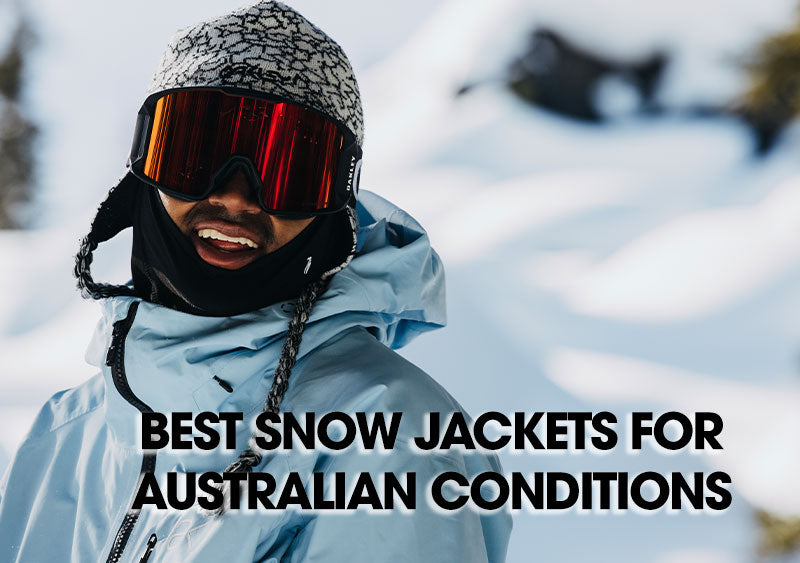

Best Snow Jackets for Australian Conditions
Find the best snow jackets for Australian conditions. Learn how to choose the right ski jacket with waterproof ratings, breathability, insulation, and layering tips for wet snow, changing temperatures, and all-day performance on the slopes.
Read More
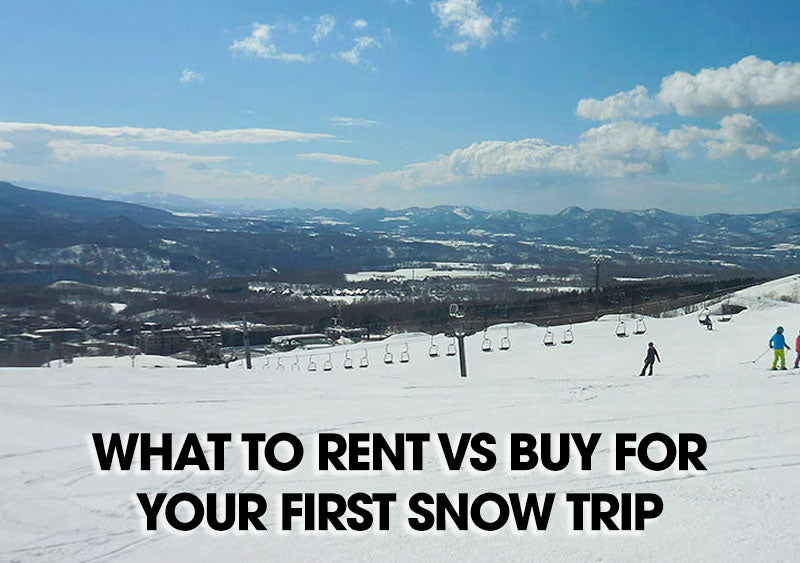

What to Rent vs Buy for Your First Snow Trip (Beginner Guide)
Not sure what snow gear to rent or buy? This beginner guide breaks down what’s worth renting and what you should own for your first snow trip.
Read More


5 Summer Adventures That Make You a Better Skier in Winter
Improve your skiing before winter arrives with 5 summer adventures. Build strength, balance, endurance and focus through biking, hiking, SUP and mo
Read More